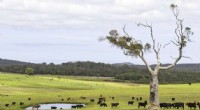
* Disponibilidad de agua: Precipitation is the primary source of water for most terrestrial organisms. Different species have different tolerances for drought and flooding.
* Organismos del desierto están adaptados para sobrevivir con muy poca agua. They have features like deep roots, thick cuticles, and efficient water storage systems.
* Tropical rainforest organisms thrive in environments with abundant rainfall and humidity. They often have adaptations for efficient water absorption and shedding excess water.
* Plant life: The amount of precipitation directly influences the types of plants that can grow in an area. This, in turn, impacts the entire food web.
* Zonas secas Soporta pastos y arbustos resistentes a la sequía.
* Wet areas support lush forests and diverse plant communities.
* Vida animal: The type of plants available determines what animals can survive in the area. Herbivores will be present depending on the plant types available, and predators will follow their prey.
* Pastizales support grazing animals like zebras and gazelles.
* Bosques provide habitats for birds, insects, mammals, and reptiles adapted to their specific environment.
* Composición del suelo: Precipitation plays a role in soil formation and nutrient availability. Heavy rainfall can lead to leaching of nutrients, while dry climates can create poor, nutrient-poor soil. This, in turn, affects what can grow in the area.
Más allá de las precipitaciones: While precipitation is a major factor, other environmental conditions like temperature, sunlight, and soil type also influence the types of organisms present. The interplay of all these factors determines the unique characteristics of different biomes.